
What Is Bullfighting in Spain?
The initial impression your blog post makes is crucial, and that’s where your introduction comes into play. Hook your readers with a captivating opening that sparks curiosity or emotion. Address their pain points or questions to establish a connection. Outline the purpose of your post and give a sneak peek into what they can expect. A well-crafted introduction sets the tone for an immersive reading experience.
Historical Origins of Bullfighting in Spain
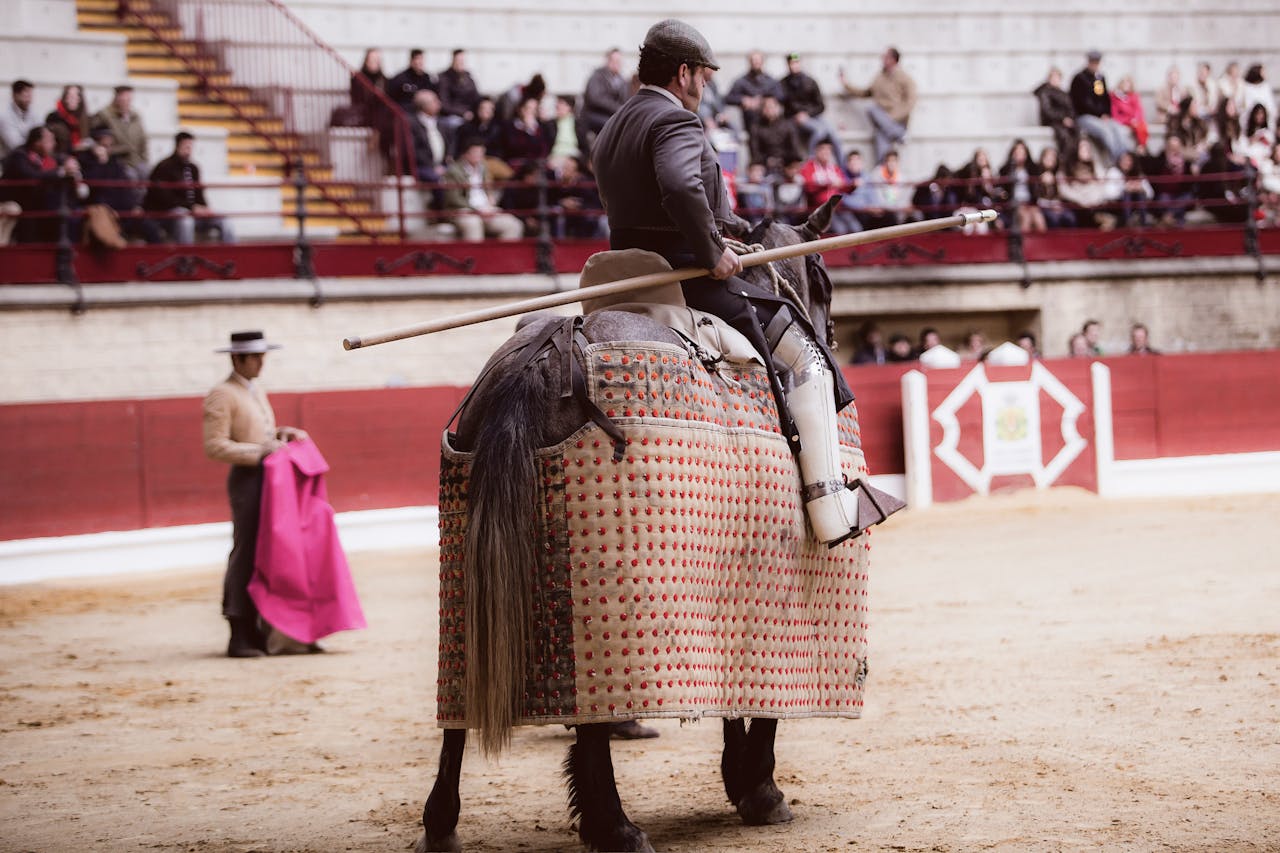
The origins of bullfighting in Spain can be traced back to medieval traditions and aristocratic hunting practices. Over time, bullfighting evolved into a formal spectacle with established rules, arenas, and professional bullfighters. By the 18th century, it had become deeply rooted in Spanish culture, influencing literature, art, and popular traditions across different regions of Spain.
Cultural Importance of Bullfighting in Spain
Bullfighting in Spain has long been considered an expression of tradition, bravery, and artistic performance by its supporters. It has inspired famous Spanish writers, painters, and musicians and is often associated with regional identity and heritage. For many, bullfighting represents a living tradition passed down through generations, especially in areas where it remains popular today.
Bullfighting in Spain Today
Today, bullfighting in Spain is a highly debated topic. While it continues to be practiced in some regions, others have restricted or banned bullfighting due to ethical and animal welfare concerns. Public opinion is divided, and attitudes toward bullfighting are changing, particularly among younger generations. Despite this, bullfighting in Spain remains an important subject in discussions about culture, tradition, and modern values.